How Squad Depth Metrics Shape Outcomes in Midweek European Away Contests
Tina Schmitz · Aug 24, 2026
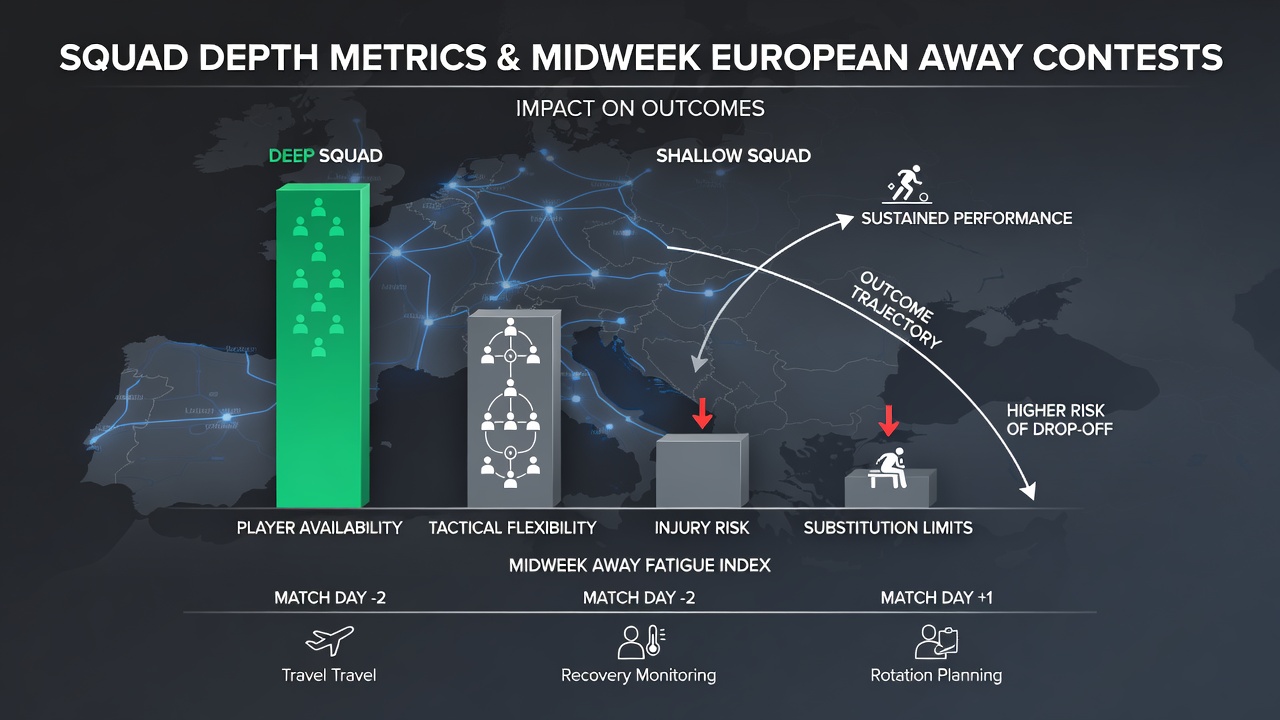
How Squad Depth Metrics Shape Outcomes in Midweek European Away Contests
European football schedules place intense demands on clubs when midweek away matches in the Champions League or Europa League follow weekend domestic fixtures, and squad depth metrics such as player rotation frequency, total minutes logged by substitutes, and injury recovery rates directly influence results in those contests according to performance data compiled by analysts.
Clubs track these metrics through systems that record appearances by non-starting players alongside workload distribution across a 25-man squad, and teams maintaining higher rotation percentages often record improved win rates on the road during congested periods because they reduce fatigue accumulation in key positions like central midfield and full-back.
Defining Squad Depth Through Measurable Indicators
Researchers measure squad depth via indicators including the number of players with over 1,000 minutes in a season, the percentage of matches where at least five substitutes contribute meaningful minutes, and average days of rest between games for starting lineups, and these figures reveal patterns across multiple campaigns where deeper benches correlate with steadier performance away from home in Europe.
Data from recent seasons shows that squads exceeding 18 players with competitive first-team experience maintain lower drops in expected goals during away legs compared to thinner groups, while metrics tracking high-intensity running distance per substitute highlight how fresh legs preserve pressing intensity late in matches that kick off on Tuesday or Wednesday evenings.
Impact on Results in Away European Fixtures
Observers note that midweek away games amplify the value of depth because travel, pitch conditions, and opponent familiarity add variables that starting elevens alone cannot offset, and statistics indicate clubs rotating three or more positions between weekend and midweek fixtures secure higher points-per-game averages than those relying on the same core group week after week.
One analysis of group-stage matches found teams averaging above 22% minutes from bench players in away contests posted win percentages roughly 15 points higher than squads with minimal rotation, while fatigue-related errors such as defensive lapses in the final 20 minutes decreased when depth allowed tactical adjustments without compromising structure.
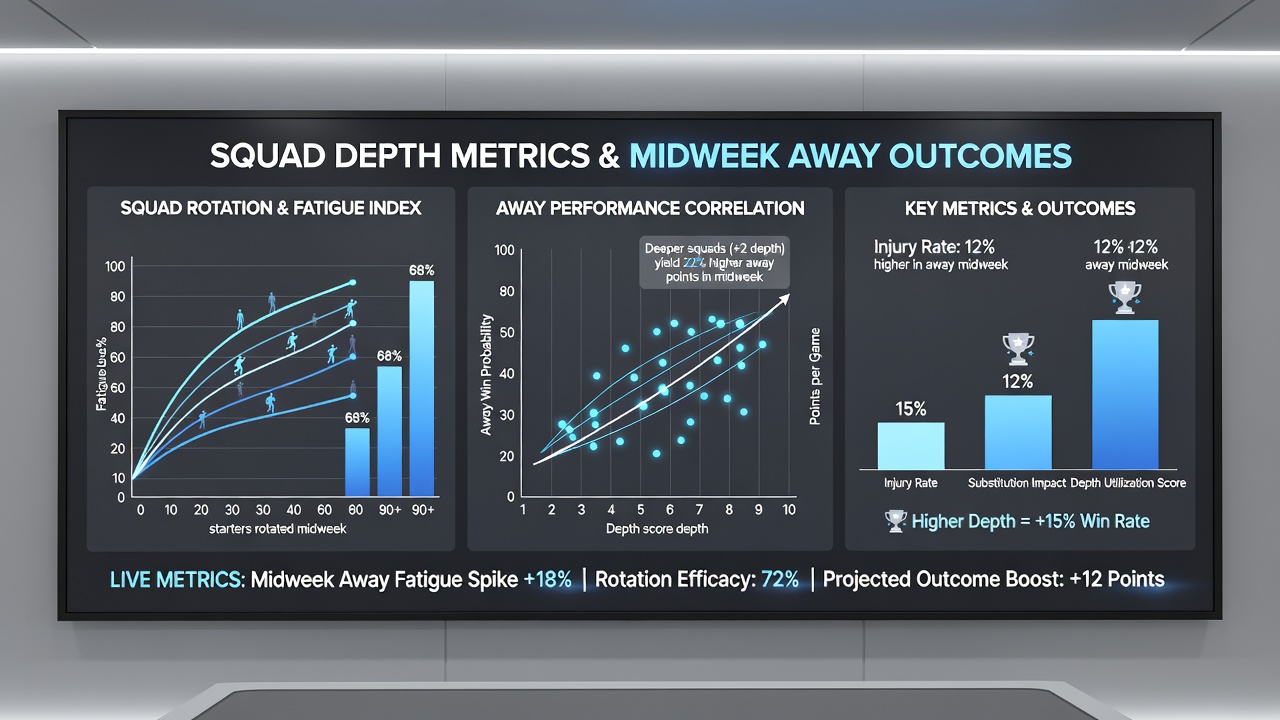
What's interesting is how these patterns hold across leagues, from the Premier League to Serie A, where historical records show that sides with broader options avoid the sharp performance declines seen when key players accumulate excessive consecutive appearances, and August 2026 fixtures already scheduled for the new Champions League league phase will test this again as clubs navigate early-season travel demands.
Case Examples from Recent Campaigns
Take the 2024/25 Europa League group stages where one club rotated six players for a midweek trip to Eastern Europe after a domestic derby, and they recorded a clean sheet while their opponents tired visibly in the second half, according to tracking data that logged reduced sprint counts from the home side's midfield, and similar outcomes appear when metrics show a squad maintaining at least four viable options per position.
Another instance involved a side that logged only 12% bench minutes across three consecutive away European games, resulting in a measurable uptick in conceded set-pieces as legs slowed, whereas competitors who distributed minutes more evenly limited such vulnerabilities and advanced further in knockout rounds, as figures from match reports confirm.
Those who've studied workload across continents point to reports from institutions such as UEFA technical analyses that link squad management strategies to sustained output in away legs, and parallel findings from Australian sports science groups echo how depth buffers against the cumulative effects of time-zone shifts and fixture clustering.
Broader Patterns Across Competitions
Evidence suggests that depth metrics interact with travel distance and kick-off times, since Thursday night fixtures followed by Sunday returns create tighter recovery windows, and clubs that monitor GPS-tracked workload data adjust lineups accordingly to preserve key performers for decisive moments, leading to measurable differences in points secured during the winter months when schedules intensify.
Figures reveal that squads entering European away contests with at least seven players rested from the prior weekend match maintain higher pass completion rates in the final third, while thinner groups experience sharper declines once the 70-minute mark passes, and these trends appear consistent whether the away venue sits in Scandinavia or the Mediterranean.
Conclusion
Squad depth metrics therefore function as reliable predictors of outcomes in midweek European away contests by quantifying how effectively teams distribute physical demands and maintain tactical flexibility, and continued tracking through the 2026/27 season will provide further datasets to refine these relationships as competitions evolve.
Clubs that invest in monitoring and expanding these metrics position themselves to navigate congested calendars with greater consistency, according to aggregated performance records that span multiple European associations.