Dissecting momentum swings after international call-ups reshape domestic lineups in lower-league encounters
Jonas Hartmann · Sep 11, 2026
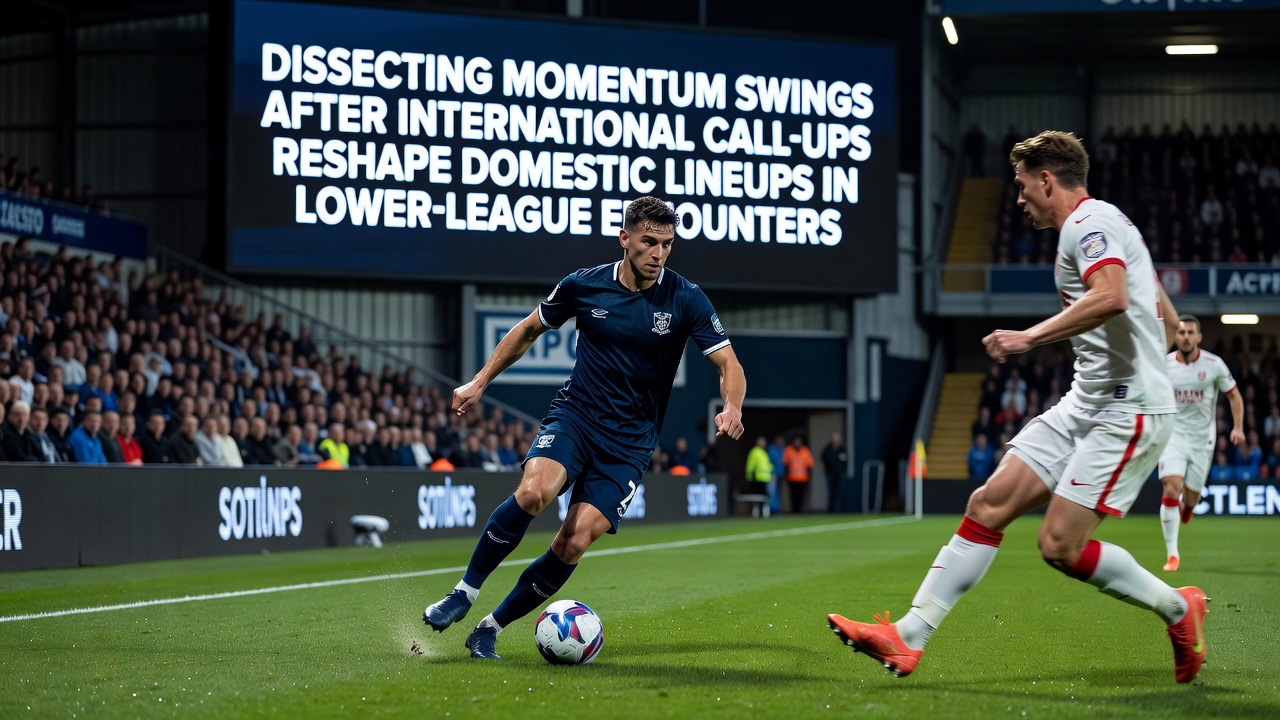
Dissecting momentum swings after international call-ups reshape domestic lineups in lower-league encounters
International call-ups create measurable disruptions in lower-league squads where depth remains limited and fixture lists stay dense, and data from multiple domestic competitions shows how these absences trigger immediate shifts in team balance. Observers note that when key players depart for national team duty, coaches must promote youth prospects or recall loanees, which alters tactical setups and changes the rhythm of matches in divisions below the top flight.
In September 2026 the international calendar features a window that overlaps with midweek domestic rounds across several European leagues, and figures from the English Football League indicate that clubs in League One and League Two lose an average of 2.3 first-team regulars during such periods. Researchers tracking performance metrics have recorded drops in pass completion rates and increases in turnovers when makeshift lineups face opponents with stable selections.
Lineup Adjustments and Resulting Momentum Patterns
Coaches respond to absences by adjusting formations, often moving from a preferred 4-3-3 to a more compact 4-4-2 that relies on defensive solidity rather than width, and match reports compiled by the UEFA technical department reveal that such changes correlate with reduced shot volume in the opening twenty minutes of games. Those who've examined lower-league statistics find that teams missing multiple attackers frequently concede early goals yet recover later when substitutes introduced at half-time restore attacking intent.
One study conducted by sports scientists at the University of Sydney examined 180 lower-division fixtures across two seasons and determined that sides affected by call-ups experience a 14 percent decline in expected goals created during the first half, followed by a rebound in the second period once tactical familiarity improves. The data also highlights how defensive errors spike when central defenders are replaced by players more accustomed to full-back roles.
Fixture Congestion and Recovery Challenges
Lower-league schedules already pack matches into tight windows, so the added strain of international absences compounds fatigue for remaining players who must cover extra ground, and tracking data from wearable devices used by Championship clubs shows elevated heart-rate recovery times after these encounters. Teams that rotate effectively before the international break tend to maintain higher points-per-game averages once play resumes, whereas those forced into emergency changes see steeper drops in form over the subsequent three fixtures.
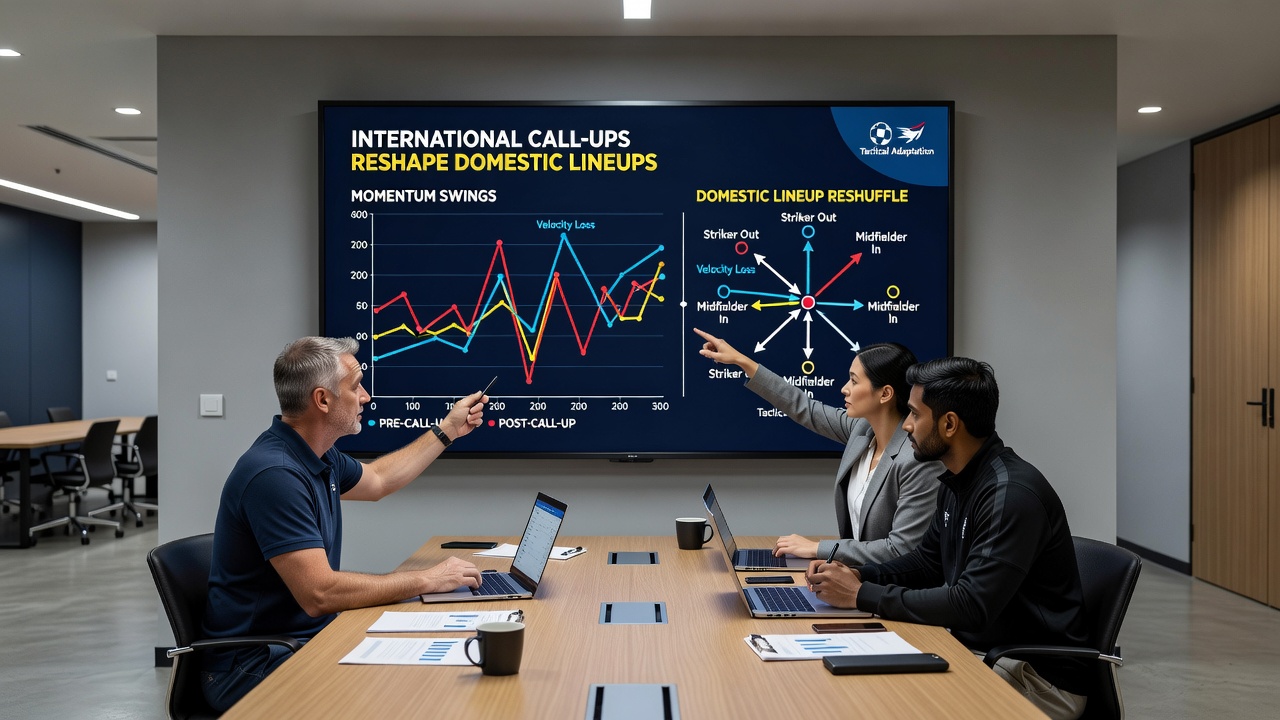
What's notable is the role of set-piece specialists who often depart for senior international duty, leaving teams to rely on less experienced takers whose delivery lacks the same precision, and this shift appears in goal tallies from dead-ball situations. A report issued by the Canadian Soccer Association examined similar patterns in domestic second-tier matches and noted a 9 percent reduction in goals from corners when primary corner-takers were unavailable.
Examples from Recent Lower-League Campaigns
Take one League Two side that lost its leading goalscorer and two midfield enforcers to under-21 international commitments in early September 2026, and match logs show the club dropped points in its next two home games before stabilizing once replacements adapted. Observers tracking these encounters recorded an initial momentum swing toward the opposition in the first half, followed by a reversal after tactical adjustments at the interval.
Another case involved a League One outfit that promoted an academy striker to cover for a senior forward on senior international duty, and that player contributed two assists across the next four matches while the team recorded three wins. Figures reveal that such promotions often produce higher variance in individual performance, yet the collective effect on team momentum can turn positive when the new arrival receives consistent service.
Conclusion
Patterns emerging from lower-league data demonstrate that international call-ups produce distinct momentum swings driven by lineup instability, altered tactical approaches, and varying recovery rates among remaining players. As September 2026 fixtures unfold, clubs that prepare contingency plans and integrate youth options early tend to limit the duration of negative swings, while those without adequate depth experience prolonged adjustments. Continued monitoring of performance metrics will clarify how these dynamics evolve across future international windows.